

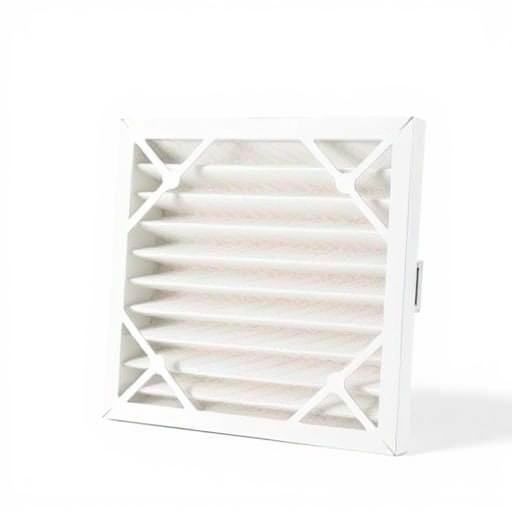
Not sure which filter you need?
Take the quiz → find your villain, pick your weapon.
5 questions. Instant personalized filter recommendation.
1
Find Your Filter Size
Select your filter's depth/thickness:
💡 Not sure? Measure the depth of your existing filter or check the cardboard frame.
Verified products for your selected depth:
3
Filter Summary
—
—
Unavailable
Customer price · pack quantity shown below
Qty:
1
Select a verified product to continue to checkout.
Your selection
Choose a depth and verified product above
✓ You're on the list! We'll email you when filters are available.
Choose a verified product above.
Customer checkout · Learn about MERV ratings →
PurityGuardian Certified
Trusted by IAQ Professionals · 100% Verified Filters
Quick Reference — All Sizes
Browse all size + MERV combinations. Filter by depth category below.
| Filter Size | MERV Rating | Pack / Customer price | Buy |
|---|
Why MERV Rating Matters
8
Good
MERV 8 is the minimum recommended for residential HVAC. It handles standard household particles like dust, pollen, and pet dander. Great for homes with no specific air quality concerns — change every 60–90 days.
10
Better
MERV 10 adds filtration of fine particles and most allergens. It is a practical residential step up from basic dust and pollen control.
13
Best
MERV 13 is the IAQ professional standard. It captures PM2.5 particles, bacteria, and virus-carrying droplets. Best for homes with immune-compromised occupants, respiratory conditions, or wildfire smoke exposure. Change every 30–45 days.